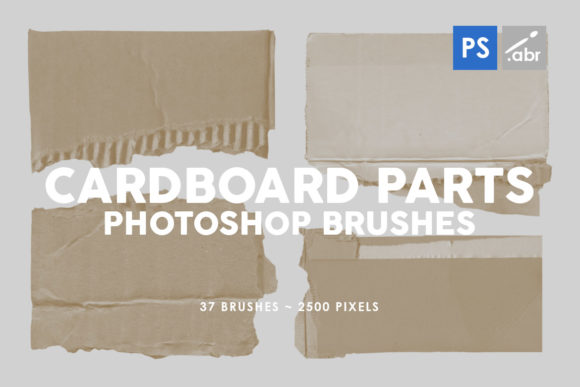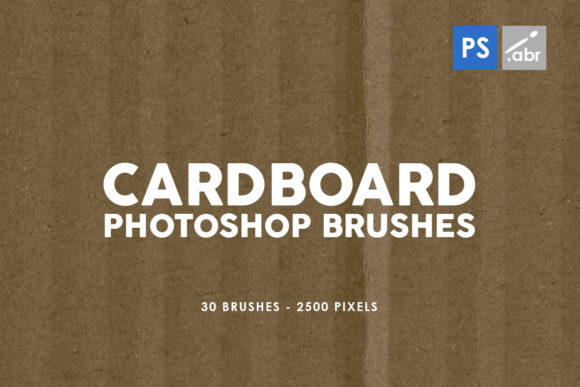
Enhancing Digital Textures with 30 Cardboard Photoshop Brushes 1
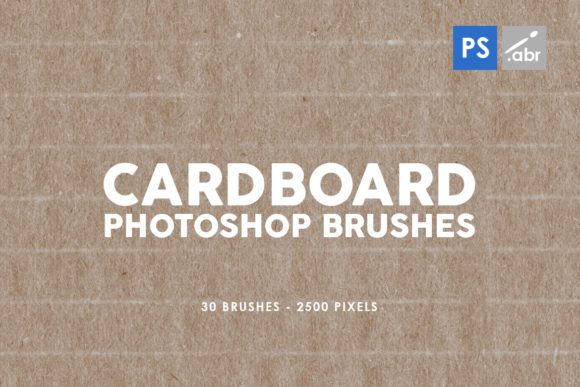
In the realm of digital art and photo manipulation, achieving a tactile, organic feel often separates amateur work from professional-grade designs. While software offers infinite precision, it can sometimes lack the grit and imperfection found in physical media. This is where specialized texture assets become indispensable. The 30 Cardboard Photoshop Brushes 1, part of the Volume 1 collection designed for Photoshop CS2 through CC, addresses this specific need by providing high-resolution stamp brushes that simulate the rough, fibrous nature of cardboard and heavy paper.
For designers, photographers, and content creators working across various industries, the ability to quickly overlay realistic textures without sourcing and masking individual photographs is a significant workflow advantage. This set includes 30 distinct brushes, each rendered at 2500 pixels, ensuring they remain sharp even when applied to large-format projects. Below, we explore the practical applications, technical strengths, and ideal use cases for this specific asset pack.
The Value of High-Resolution Texture Stamps
The core utility of the 30 Cardboard Photoshop Brushes 1 lies in their resolution and format. Many free or low-quality brush sets suffer from pixelation when scaled up, rendering them useless for print or high-definition web graphics. With a base size of 2500 pixels, these brushes maintain clarity across a wide range of canvas sizes. This is particularly important for professionals producing marketing materials, packaging mockups, or large-scale digital artwork where edge definition matters.
Unlike pattern fills which can look repetitive and artificial, stamp brushes allow for manual placement and rotation. This gives the artist control over the composition of the texture. You are not simply filling a layer with a repeating tile; you are painting texture exactly where it is needed. This level of control is essential for creating believable wear and tear, aged effects, or specific lighting interactions on a surface.
Key Characteristics and Technical Performance
When evaluating any digital asset, consistency and compatibility are paramount. This collection is built to function seamlessly across a broad spectrum of Adobe Photoshop versions, from the older CS2 up to the current Creative Cloud releases. This longevity ensures that freelancers or agencies working with legacy files or diverse team setups do not face compatibility hurdles.
The brushes themselves are designed as "stamps," meaning they apply a static image of cardboard texture with a single click or drag. Key characteristics include:
- Variety: The set includes 30 unique variations, preventing the monotony that comes from using a single texture repeatedly.
- Grain and Fiber Detail: The images capture the specific fibrous structure of cardboard, including subtle color variations between browns, tans, and greys often found in recycled materials.
- Blend Mode Flexibility: Because these are grayscale or desaturated texture maps, they interact predictably with Photoshop's blending modes such as Multiply, Overlay, Soft Light, and Screen.
In practical testing, these brushes perform well when used to break up solid color backgrounds. A common challenge in flat design is making a background feel grounded rather than sterile. Applying a few strokes of a cardboard brush on a new layer set to "Multiply" at 20% opacity can instantly add depth and a paper-like quality to the composition.
Practical Applications for Professionals and Creators
The versatility of the 30 Cardboard Photoshop Brushes 1 extends beyond simple background texturing. Their utility spans several disciplines, offering solutions for specific visual problems encountered in daily workflows.
Photo Manipulation and Compositing
For photo manipulators, realism is the ultimate goal. When combining disparate elements into a single scene, lighting and texture mismatches often give away the edit. These brushes can be used to unify elements by applying a consistent grain or surface texture over the entire composite. For instance, if you are creating a vintage-style poster, brushing cardboard textures over the subject and background helps bind them together visually, simulating the look of an old printed photograph mounted on cardstock.
Game Art and Concept Design
Concept artists and game developers often need to rapidly prototype environments or props. While 3D modeling provides geometry, the surface detail often requires 2D texturing. These high-res stamps are excellent for blocking out material definitions on concept sketches. They can simulate worn crates, packaging, or structural elements in a post-apocalyptic or industrial setting without the need for complex shader setup in the early stages of design.
Marketing and Branding Assets
Marketers and small business owners frequently require visuals that convey authenticity and eco-friendliness. Cardboard textures naturally evoke themes of sustainability, shipping, and organic materials. Using these brushes in social media graphics or email headers can subtly reinforce a brand's commitment to green practices or artisanal quality. Furthermore, for e-commerce sites selling physical goods, creating realistic mockups of packaging is crucial. These brushes allow a designer to take a flat logo and place it onto a simulated cardboard box texture with convincing results.
Workflow Integration and Usability
Integrating the Volume 1 Cardboard Paper Photoshop Stamp Brushes into an existing workflow is straightforward. Upon installation, they appear in the Brush Tool preset manager. The most effective method for utilizing them involves a non-destructive approach:
- Create a new empty layer above your base image or design.
- Select a brush from the 30 Cardboard Photoshop Brushes 1 set.
- Adjust the foreground color to match the desired tone (usually a mid-tone grey or brown).
- Apply the brush stroke.
- Change the layer blending mode to Multiply for darkening textures or Screen for lighter fiber highlights.
- Use a layer mask to erase areas where the texture should not appear, preserving the integrity of the underlying design.
This non-destructive method ensures that the original artwork remains untouched, allowing for endless experimentation with opacity and blend modes until the desired effect is achieved. The 2500-pixel size means you can scale the brush down significantly for fine details without losing the essence of the texture, though scaling up beyond the native resolution is not recommended.
Limitations and Considerations
While highly useful, it is important to understand the limitations of stamp brushes compared to procedural generators or pattern fills. Since these are static images, rotating them repeatedly in the same project can lead to visible repetition if not careful. A skilled user will vary the angle and scale of each stroke to maintain a natural look. Additionally, because they are raster-based, they are not infinitely scalable like vector assets. For massive billboards, one might need to tile the texture or seek higher-resolution source files, but for standard web, print, and screen usage, the 2500-pixel limit is generally sufficient.
Another consideration is color. Most cardboard brushes are monochromatic to maximize blending flexibility. If a specific colored cardboard (like a bright blue shipping container) is needed, the user must employ Hue/Saturation adjustment layers or colorize the brush tip dynamically, which adds a step to the process.
Who Benefits Most from This Asset Pack?
The 30 Cardboard Photoshop Brushes 1 are particularly valuable for:
- Graphic Designers: Who need to create grunge, vintage, or industrial aesthetics quickly.
- Photographers: Looking to add artistic overlays to portraits or landscapes for a textured finish.
- Digital Painters: Who want to incorporate mixed-media elements into their illustrations.
- Educators and Students: Teaching or learning texturing techniques without the cost of high-end plugins.
- Hobbyists: Serious enthusiasts who want to elevate the quality of their personal projects with professional-grade tools.
For entrepreneurs and bloggers, these brushes offer a cost-effective way to produce unique visual content that stands out from the generic stock photography often seen online. By adding a custom texture layer, even a simple typographic quote can feel handcrafted and exclusive.
Final Thoughts on Long-Term Value
In the fast-paced world of digital creation, tools that save time while enhancing quality are investments rather than expenses. The 30 Cardboard Photoshop Brushes 1 deliver on both fronts. They eliminate the need to hunt for royalty-free cardboard photos, crop them, desaturate them, and adjust their levels. Instead, the texture is ready to paint instantly.
The compatibility with all versions from CS2 to CC future-proofs the asset, ensuring it remains useful even as software evolves. While trends in design shift from flat to skeuomorphic and back again, the need for organic texture remains constant. Whether used for a subtle noise overlay or a dominant visual element, this collection provides a reliable, high-quality foundation for a wide array of creative endeavors. For anyone looking to add a touch of physical reality to their digital canvas, this volume serves as a practical and enduring resource.